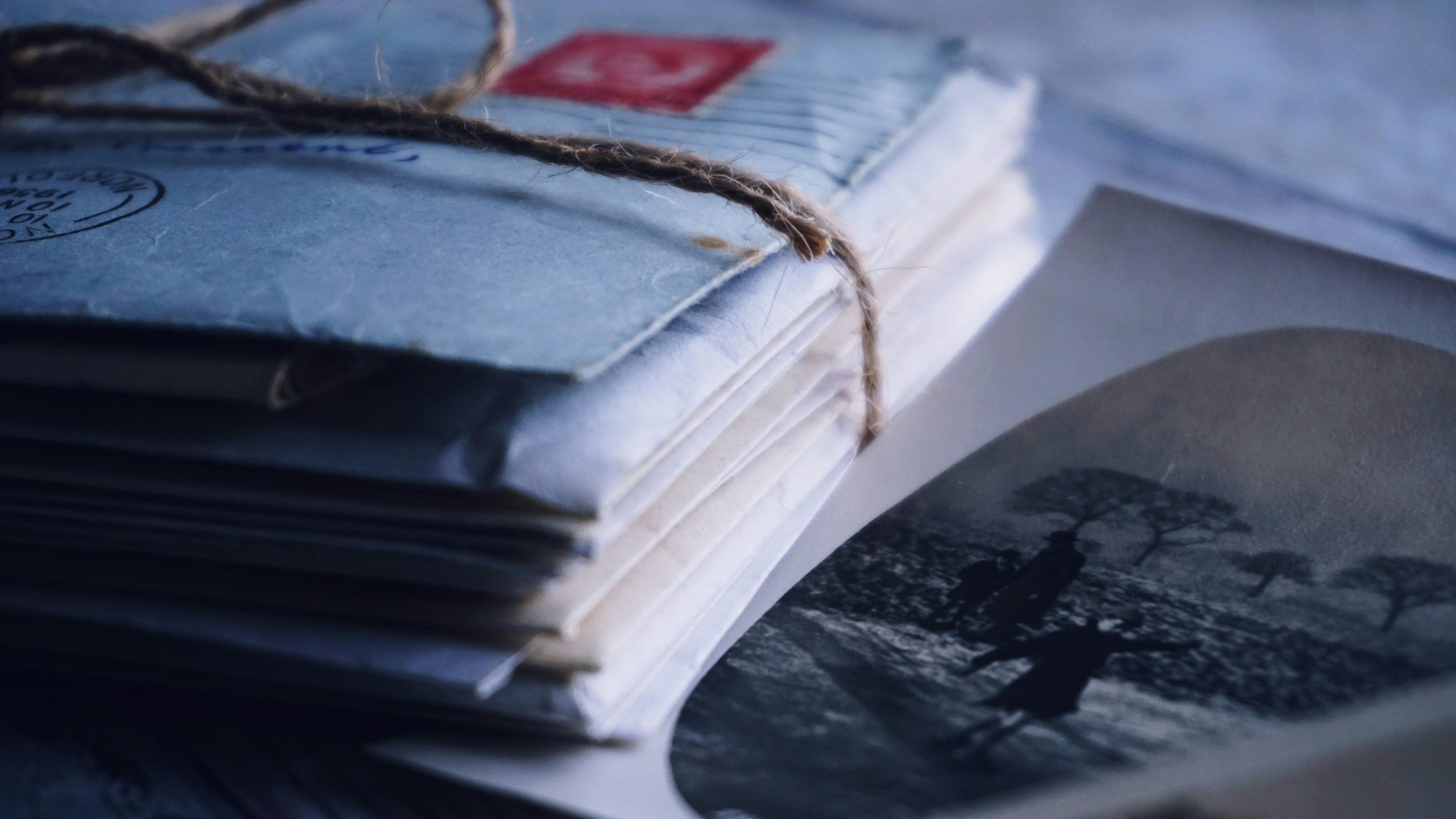
Throughout human history, love letters have served as intimate portals into the soul,raw confessions etched onto parchment that transcend time. From Vincent van Gogh’s trembling words to his brother Theo (“I feel there is nothing more truly artistic than loving people”) to Frida Kahlo’s fiery missives to Diego Rivera, these epistolary relics reveal a universal truth: vulnerability is the bedrock of authentic connection. Yet in today’s digital age, where text messages fade faster than fleeting emotions, we risk losing this sacred art of deliberate, heartfelt communication. How might reviving the tradition of handwritten sincerity transform our relationships? Let us journey through three lenses,historical courage, emotional literacy, and intentional presence,to uncover actionable wisdom hidden within vintage correspondence.
The Radical Act of Baring One’s Soul
Consider The Complete Letters of Vincent van Gogh , over 900 pages detailing his creative struggles alongside profound affection for loved ones. In one anguished passage dated July 1880, he writes: “What would life be if we had no courage to attempt anything?” This isn’t merely an artist’s lament,it’s a masterclass in relational bravery. Unlike casual DMs optimized for likes, historical lovers treated each word as a brushstroke painting their inner landscape. Take Napoleon Bonaparte’s feverish notes to Joséphine de Beauharnais during his Egyptian campaign: “Not a moment passes without you occupying my thoughts… Your image pursues me even amidst battle chaos.” Such unabashed dependence would seem cringeworthy today, yet it embodies the paradoxical strength found in weakness,the willingness to appear ‘needy’ because true partnership thrives on mutual reliance.

Modern parallels emerge in studies showing couples who engage in vulnerable conversations report higher relationship satisfaction (Source: Journal of Social and Personal Relationships). But unlike our ancestors who committed thoughts to paper with permanence, we often settle for ephemeral exchanges. Try this experiment: Write a letter to your partner detailing one fear you harbor about your bond. Seal it in an envelope labeled “To Be Opened When Courage Strikes.” You’ll discover how articulating fragility becomes an act of empowerment.
Decoding Silence & Subtext Beneath Quill strokes
Pre-Internet courtship demanded mastery of subtext,where unspoken longing simmered beneath formal salutations. Examine Lord Byron’s teasing note to Lady Frances Webster: “Madam, I kiss your fair hands,but pray tell me why those eyes / Dart such bright daggers at my poor devoted heart?” Here lies lesson number two: listen beyond words. Just as Victorian suitors parsed poetic metaphors for hidden meanings, contemporary partners must cultivate active listening skills. Research confirms that responsive engagement,nodding, paraphrasing, asking follow-up questions,increases perceived empathy by 73% (Harvard Business Review).

Practice this exercise inspired by Regency-era decorum: During dinner, replace phone checks with eye contact. Notice microexpressions,a flicker of sadness when mentioning work stress, perhaps? Paraphrase what you heard before responding. Like deciphering Austenian irony, this attunement turns ordinary moments into opportunities for deeper knowing. As poet Mary Oliver asked: “Tell me, what is it you plan to do with your one wild and precious life?” Apply that curiosity to your beloved’s inner world.
Ritualizing Presence Through Tangible Touchstones
Before smartphones monopolized attention spans, lovers created sacred spaces for communion. Picture Zelda Fitzgerald folding her husband Scott’s favorite silk scarf around draft manuscript pages,each crease holding scent memories of their Mediterranean escapades. These tactile rituals grounded abstract feelings in sensory reality. Anthropologist Helen Fisher notes touch triggers oxytocin release, binding hearts physically and emotionally. Replicate this magic with low-tech gestures: Leave a pressed flower between pages of a shared book; brew tea using Grandma’s recipe mentioned in old family albums; schedule monthly “analog dates” free from device distractions.

Architect Christopher Alexander observed great buildings grow organically from user needs,so too should relationships evolve through conscious design. Borrow strategies from Japanese hinkaku (decorum): Designate a special chair reserved solely for deep talks; light candles signaling transition from daily chatter to intimate dialogue; adopt the Moroccan custom of mint tea ceremonies preceding serious discussions. Small investments yield exponential returns in emotional security.
As we stand at the crossroads of technological convenience and primal human yearning, let us ask ourselves: Will we allow swipe culture to erode the delicate fabric of genuine connection? Or will we reclaim the power inherent in slowing down, picking up pens, and speaking truths soft enough to cradle yet potent enough to heal? Remember,every love letter ever written began not with grand declarations but quiet moments of surrender. What message will your heart dare whisper next? Share below: Which historical couple’s romance inspires your approach to modern love?