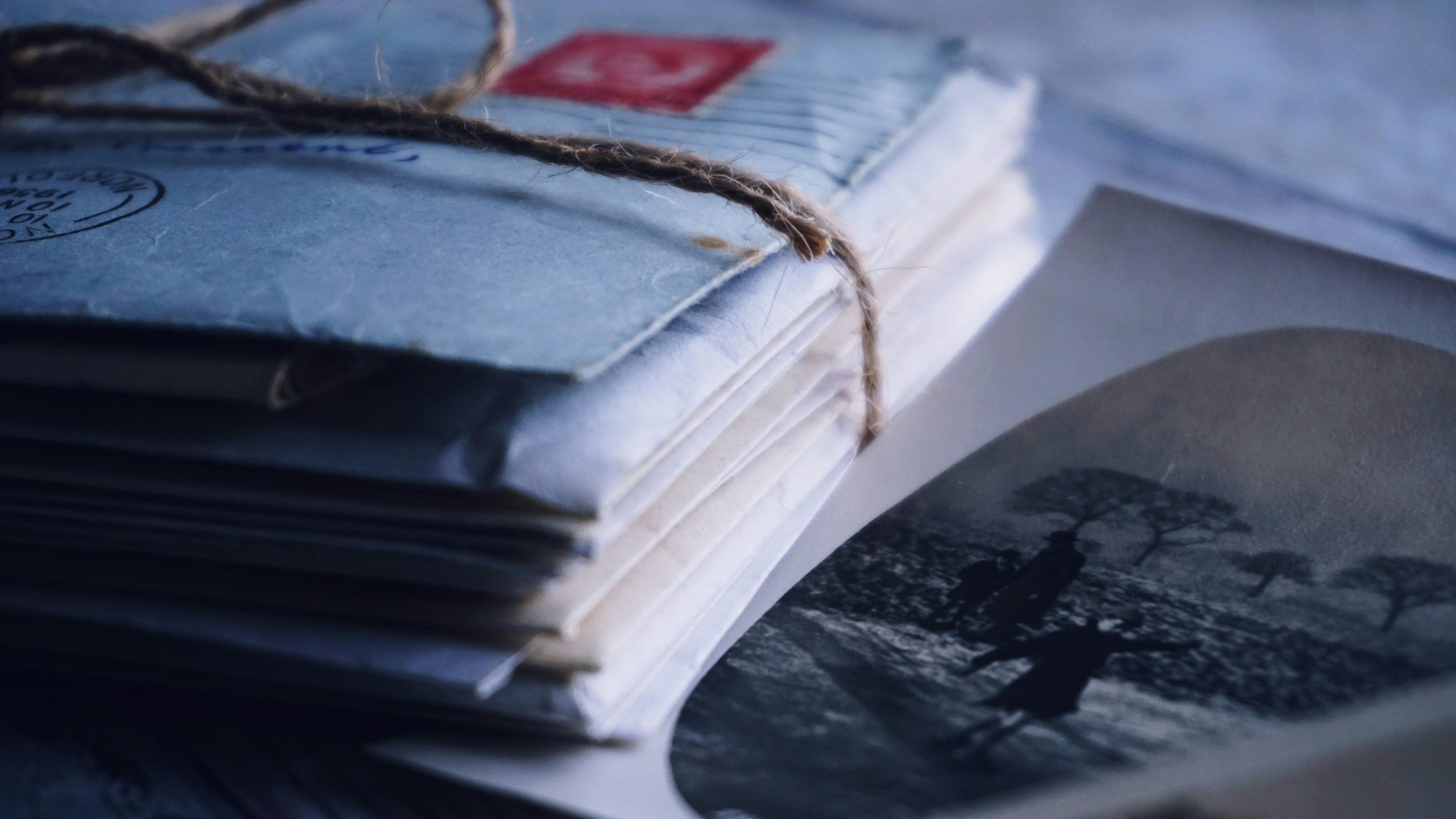
What if the most profound love advice was written in quill pen on parchment? For centuries, lovers have poured their hearts onto pages,sometimes secretly delivered, sometimes published for the world. These historical love letters aren’t just relics; they’re masterclasses in vulnerability, creativity, and connection. Let’s unpack three iconic examples to see how love language evolved… and what we still get wrong today.
Part I: The Renaissance – When Words Were Weapons (Of Affection)
Imagine Italy, 1503. A married duchess receives a letter from a younger nobleman she barely knows. Instead of small talk about weather or politics, he writes: “Your eyes are stars that guide my ship; your smile, sunlight breaking through storm clouds.” This isn’t pickup line cringe,it’s Lorenzo de’ Medici’s actual prose to Lucrezia Borgia. Back then, courtly love demanded elevated metaphor. Men compared women to nature’s wonders; women replied with equally poetic banter. Why? Because marriage was often transactional, so romance had to feel transcendent.
Fast-forward to modern dating apps: Swiping replaces sonnets. But here’s the twist,studies show couples who exchange deliberate, detailed compliments report higher satisfaction than those relying on generic “hey” messages. Your move? Next time you’re intrigued by someone, skip the flamethrower emoji. Try naming one thing about them that makes your heart race,like how their laugh sounds like wind chimes, or how they argue passionately about pizza toppings. Just like Lorenzo knew: specificity breeds magic.
Part II: Victorian Modesty – Subtext as Foreplay
Britain’s Queen Victoria sent over 50,000 letters to her husband Prince Albert during their engagement. Yet rarely did she write “I miss you.” Instead, she described sunsets they’d share, books he recommended, even grief when their infant died. Their correspondence thrived on shared context,a inside joke about a muddy carriage ride became shorthand for devotion. Meanwhile, working-class couples used coded language (rosebuds = kisses) due to strict social rules.

Compare this to today’s text threads filled with abbreviations (“u up?”). We’ve lost the art of building tension through implication. Think of Bridgerton’s Daphne and Simon: their flirtation sizzles because every glance, every delayed reply, carries weight. Modern takeaway? Don’t fear silence. Send a photo of coffee with a note: “This reminded me of our first date,you laughed till you spilled your latte.” Novelty + memory = electric.
Part III: Wartime Urgency – Love Under Fire
During WWII, soldiers carried photos instead of writing,until censors banned images. Then came Operation Overlord: troops landed at Normandy carrying only essentials… including crumpled letters from girlfriends back home. One soldier wrote days before D-Day: “If I don’t make it, tell Mary I loved her enough to die smiling.” Brutal honesty replaced flattery. Survival made every word count.

Today’s long-distance relationships mirror this urgency. Apps like Marco Polo let us send voice memos instantly,but do we use them well? Research finds partners who record raw, unedited thoughts (even complaining about bad hair days) build deeper bonds than polished updates. Try this: Voice note your partner saying, “Today sucked… but hearing your voice makes it better.” Vulnerability > perfection.
So what connects these eras? Three universal truths:
All great loves require translation,between hearts, generations, mediums. Whether etched in wax seals or typed via iMessage, the goal remains: Make your beloved feel seen.
Now imagine future historians reading YOUR texts. Will they sigh at your creativity? Or facepalm at your typos? Share below: What’s one vintage love lesson YOU plan to steal for modern times?