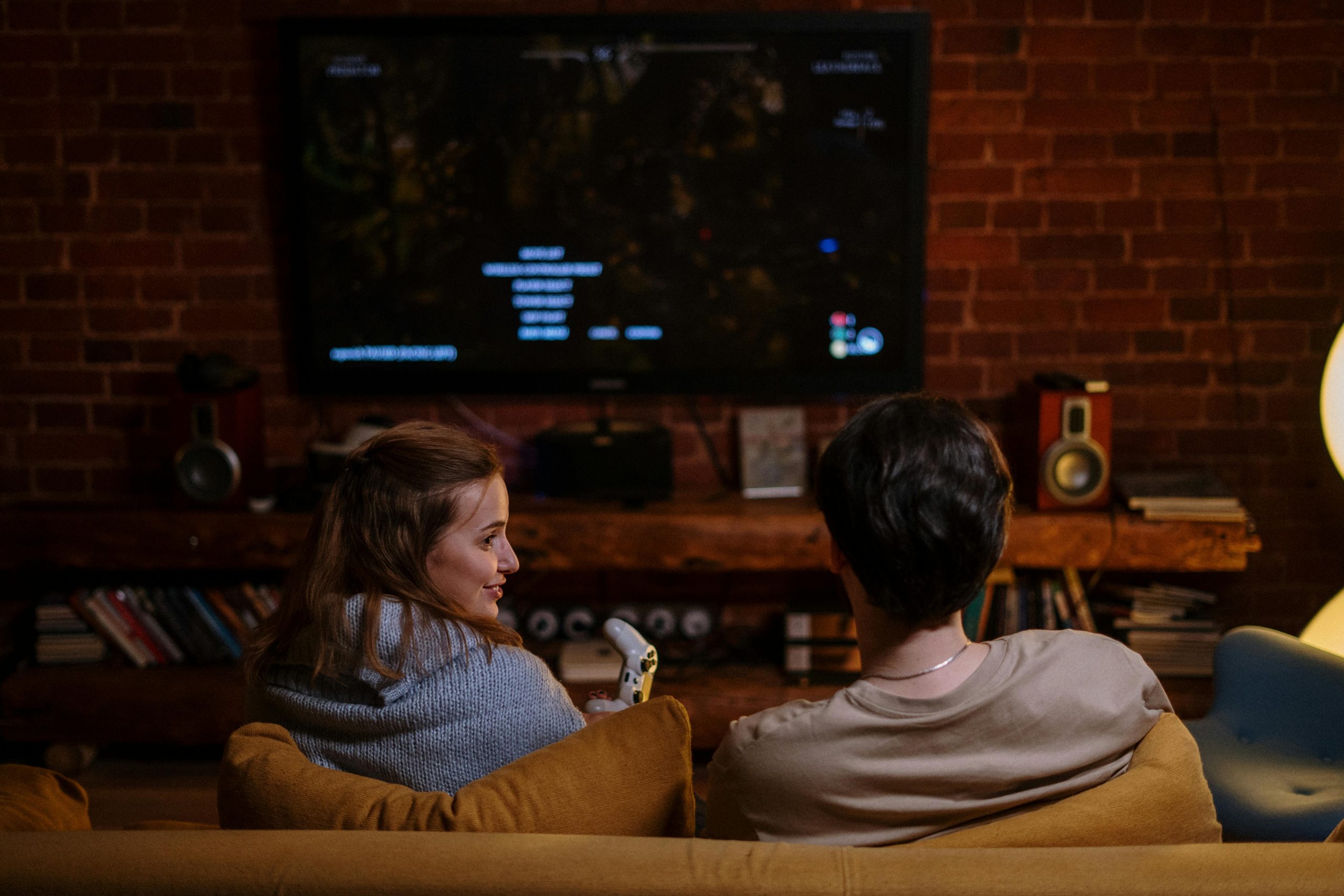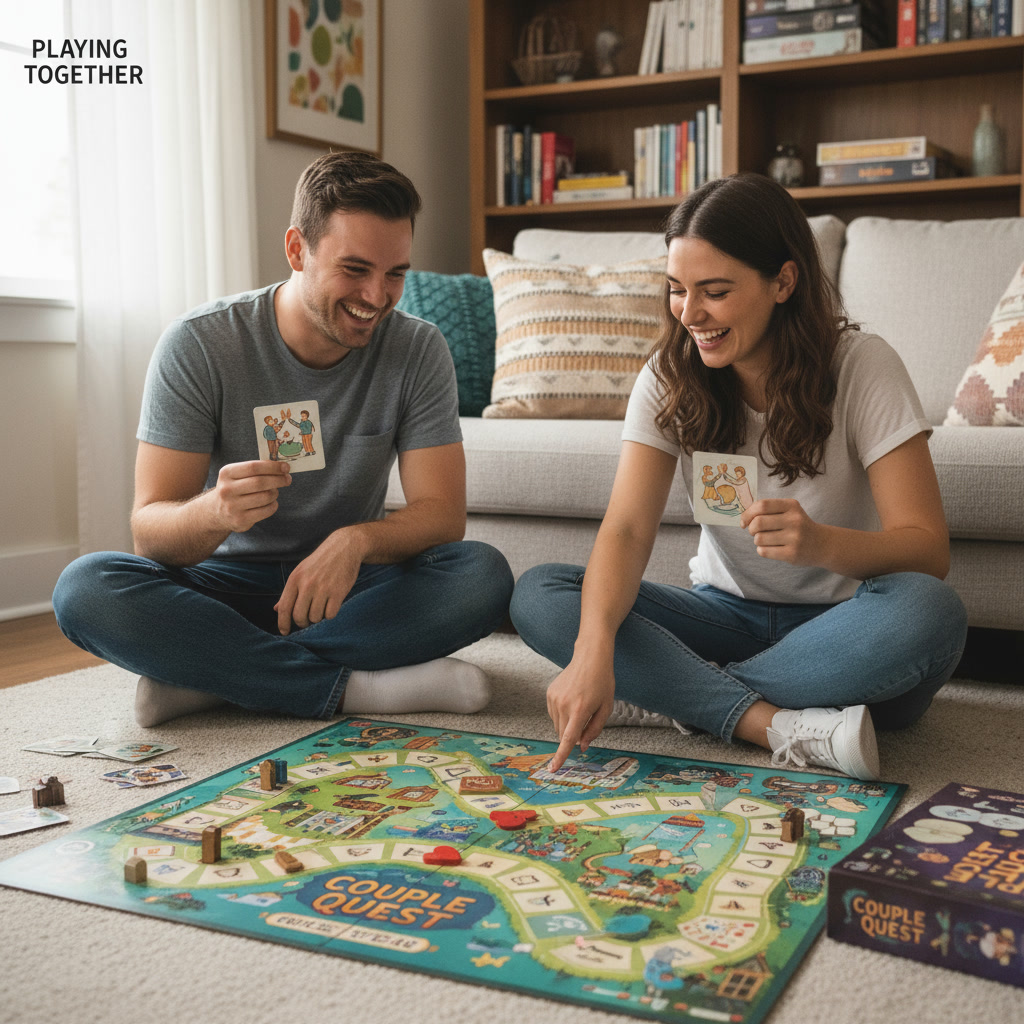
Have you ever watched two people play a cooperative game and felt like you were witnessing a microcosm of their entire relationship? The way they coordinate, compromise, or even bicker reveals so much about how they navigate life together. Cooperative gaming isn’t just a pastime,it’s a laboratory for building trust, refining communication, and deepening emotional intimacy. In this post, we’ll explore three key lessons from co-op games that mirror real-world partnership dynamics, using examples from film, history, and iconic video games to illustrate how these virtual adventures can strengthen your bond offline.
Communication Core: Listening & Responding
In games like It Takes Two or Portal 2, success hinges on precise verbal cues and nonverbal signals. One player might spot a hidden switch while the other focuses on solving puzzles,but neither can succeed alone. This dynamic echoes the advice from marriage researcher Dr. John Gottman: “Turn toward your partner’s bids for connection.” When your significant other points out a detail (even if it seems irrelevant), responding with curiosity instead of dismissal builds mutual respect.

Consider the tense dinner scene in Before Midnight, where Jesse and Celine’s banter masks unspoken resentments. Their failure to truly listen leads to a blowup,a cautionary tale about what happens when couples stop engaging actively. By contrast, historian accounts of Lewis & Clark’s expedition show how Sacagawea’s quiet observations guided decisions, proving that effective teams value input regardless of hierarchy. How often do you pause mid-argument to ask, “What are you really trying to say?”
Role Clarity: Balancing Leadership & Support
Co-op games force players into distinct roles: tank, healer, scout, strategist. Just as Mario needs Luigi’s jump boosts in New Super Mario Bros. U, relationships thrive when partners lean into their strengths without overstepping. Psychologist Dr. Sue Johnson notes that secure attachment forms when each person feels safe to depend on the other’s competence.

Take the classic couch co-op Contra: one player charges ahead firing rapidly, while the other covers rear flanks. Swap those roles abruptly, and chaos follows. Similarly, during World War II, Rosie the Riveter campaigns celebrated women taking factory jobs traditionally held by men,proving flexibility saves lives. Yet modern couples still struggle: Have you caught yourself saying, “Why don’t you ever handle X?” when clarity would prevent resentment?
Failure As Growth: Resetting Together
No co-op campaign goes perfectly. Dying repeatedly in Dark Souls III teaches humility; restarting after a botched level in Overcooked fosters laughter amid frustration. These moments model healthy conflict resolution,apologizing sincerely, laughing at mistakes, and focusing on solutions rather than blame.

Author Brené Brown emphasizes vulnerability as courage:
“Owning our story can be hard but not nearly as difficult as spending our lives running from it.”
Think of the climax of The Good Dinosaur, where Arlo and Spot overcome fear by facing danger side-by-side. Their bond grows precisely because they stumbled first. What recent mishap could you reframe as a shared victory?
Next time you pick up controllers, observe how these patterns play out. Do you default to solo heroics or instinctively sync movements? Share your favorite co-op memory below,and tell us which game mechanic surprised you most!