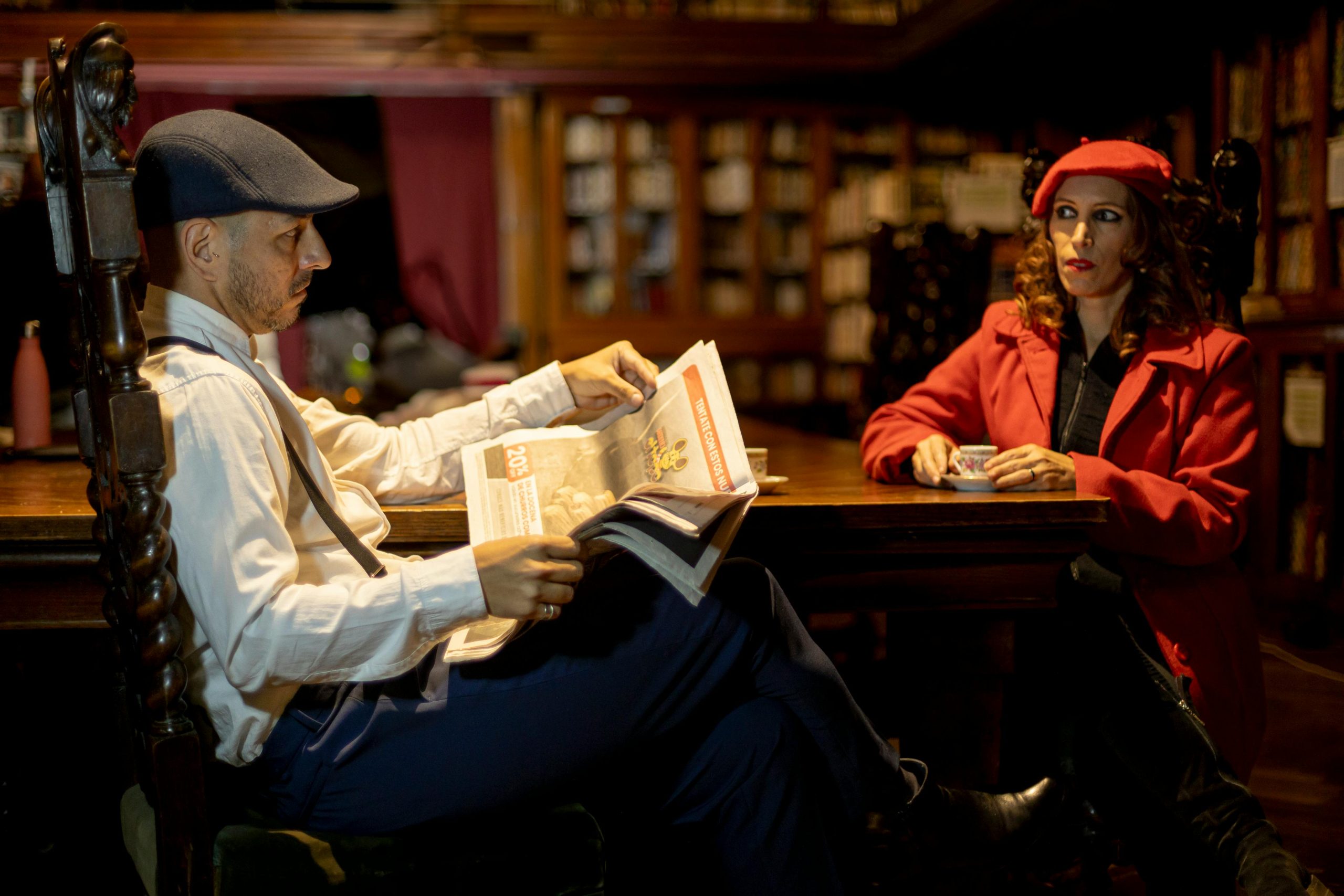
Have you ever watched a couple argue so intensely it felt like they were dancing,painful, clumsy, yet strangely intimate? That’s the magic of Before Midnight, the third chapter in Richard Linklater’s love trilogy. Unlike typical rom-coms where conflict resolves neatly before credits roll, this film dives into the messy, beautiful reality of long-term relationships. Jesse and Celine, now parents to twin daughters, grapple with regret over missed opportunities, resentment toward each other’s choices, and the quiet fear that “forever” might just be a myth. Their story isn’t about grand gestures; it’s about how small moments accumulate into mountains of unspoken words,and how climbing those mountains requires more than passion. It’s a masterclass in relationship dynamics, one that mirrors our own struggles if we dare to look closely.
Communication Breakdown: The Art of Listening (Not Just Waiting to Talk)
In one iconic scene, Celine explodes at Jesse after he suggests she’d be happier raising their kids alone while he travels for work. “You never listen!” she sobs. He defends himself: “I do listen! You’re always complaining!” But here’s the catch: listening isn’t passive. It’s active participation. Think back to your last disagreement,did you hear your partner’s tone, their pauses, the way they avoided eye contact? Or were you too busy crafting your rebuttal?
Historical precedent supports this. In medieval Europe, troubadours composed songs celebrating “courtly love,” but real marriages were transactional alliances. Partners rarely communicated desires beyond duty. Fast forward to today: studies show couples who practice reflective listening,paraphrasing what their partner said before responding,are 68% less likely to escalate fights (Gottman Institute). Yet most of us default to defensiveness. Why? Because hearing criticism feels like attack, triggering our primal “fight or flight” response.
Before Midnight nails this dynamic. When Celine admits she fantasized about leaving Jesse during their Paris fling (depicted in Before Sunrise), his initial reaction is anger. Only later, lying awake beside her, does he process the underlying pain: fear of being replaceable. Real communication happens when we move past surface insults to uncover vulnerable emotions. Try this experiment: next time your partner vents, repeat their exact words back to them. Watch how quickly tension dissolves,they’ll feel seen, even if you disagree.
Conflict as Catalyst: When Disagreements Deepen Bonds
Every couple clashes. What separates lasting partnerships from fleeting romances isn’t avoiding conflict,it’s reframing it. Consider Frida Kahlo and Diego Rivera, whose tumultuous marriage included affairs, political divides, and physical separations. Their letters reveal raw honesty: “I hate you,” Frida wrote once, followed by “Come home immediately.” Their bond thrived precisely because they treated conflict as fuel, not firewood. Similarly, in Before Midnight, Jesse and Celine’s brutal hotel room confrontation becomes a turning point. After hours of yelling, they collapse onto the bed, exhausted. “We’re still here,” Celine whispers. That simple admission acknowledges choice: staying together despite flaws.
Psychologists call this “positive disintegration”,stressors that force couples to confront uncomfortable truths. Research found couples who view arguments as opportunities for growth report higher satisfaction than those who prioritize harmony at all costs (University of California). Practical takeaway? Next dispute, ask: “What’s underneath this?” Is your spouse snapping because they’re overwhelmed at work? Did your sarcasm wound their pride? Naming the root emotion defuses tension faster than solutions ever could.
Film teaches us patience too. Early Hollywood classics like It Happened One Night framed conflict as comedic misunderstandings resolved by coincidence. Modern films like Blue Valentine show slower burns, where resentment festers until explosion seems inevitable. Both extremes miss the middle ground: conflict as compass guiding us toward deeper understanding. As Celine tells Jesse through tears, “We choose each other every day.” Choice requires effort,especially when feelings blur.
The Myth of Soulmates: Building Love Over Time
Pop culture sells us lies: soulmates are predestined, perfect matches made in heaven. But look at history,Cleopatra and Mark Antony’s affair began as political strategy; Queen Victoria and Prince Albert’s correspondence reveals mutual respect cultivated over years, not instant sparks. Even Shakespeare’s Romeo and Juliet ends in tragedy partly because youth mistakes intensity for destiny. Before Midnight dismantles this fantasy beautifully. Jesse jokes bitterly about meeting Celine again at 65, gray-haired and bickering over Medicare plans. The humor masks a profound truth: longevity demands reinvention.
Neuroscience explains why. Dopamine rushes fade after 18–36 months, replaced by oxytocin (bonding hormone) and vasopressin (commitment drive). This shift explains why many couples hit “the wall” around year three,what felt magical now feels routine. Successful pairs adapt by creating new shared narratives: traveling together, adopting hobbies, volunteering side-by-side. Consider Paul Newman and Joanne Woodward, married 50+ years. He famously said, “Why fool around with someone else when you can have the best at home?” Their secret? Treating marriage like a garden: daily tending, pruning dead branches, nurturing seeds planted decades prior.
How do you cultivate this mindset? Start small. Recreate your first date night monthly,even if it’s ordering pizza instead of steak. Write notes expressing gratitude specific to recent actions (“Thanks for fixing my bike tire yesterday”). Small acts compound into emotional safety nets catching you when storms hit. Remember: soulmates aren’t found; they’re built brick by brick, choice by choice.
“Love is not enough,” Celine reflects late in Before Midnight. “It needs maintenance.” How will you maintain yours today?
Now I’d love to hear from you: Which movie scene perfectly captures your relationship philosophy? Share below,let’s keep the conversation alive!