
In the realm of cinematic storytelling, few genres capture the essence of human connection quite like classic love stories. These films serve as mirrors reflecting our own desires, fears, and aspirations in relationships. Through carefully crafted narratives and nuanced character dynamics, they offer profound insights into how we navigate love’s complexities. Let’s explore three enduring lessons drawn from iconic films that remain relevant for modern couples seeking deeper understanding.
The Art of Listening: Before Sunset ’s Unfinished Conversations
Richard Linklater’s sequel to Before Sunrise masterfully demonstrates how true intimacy thrives on active listening. When Jesse and Celine reunite in Paris after nine years, their dialogue becomes a dance of interruptions, pauses, and unspoken tension. A key moment occurs during their café conversation where Celine mimics Jesse’s gesture,a subtle yet powerful acknowledgment of emotional resonance. This scene teaches us that listening isn’t just hearing words; it’s about mirroring body language, validating feelings, and creating space for vulnerability.

Research confirms that partners who practice ‘reflective listening’ (paraphrasing each other’s statements) report higher relationship satisfaction. Try adopting this technique: when your partner shares something personal, respond with “It sounds like you felt…” followed by their emotion. You’ll discover how much deeper conversations become when both parties feel truly heard.
Conflict Resolution: His Girl Friday ’s Witty Banter as Armor
Rosalind Russell’s sharp-tongued Hildy Johnson in Howard Hawks’ screwball comedy reveals an unexpected approach to marital discord. Rather than escalating arguments, her rapid-fire retorts act as verbal shields protecting fragile egos beneath. Consider the newspaper office scene where ex-husband Walter tries to manipulate her into staying,his manipulative tactics clash against her sarcastic deflections, ultimately exposing his insecurity rather than provoking anger.

Modern psychology recognizes humor as a healthy coping mechanism. Couples who can laugh at minor disagreements prevent resentment buildup. Next time tensions rise, try lightening the mood with a playful analogy (“This feels like arguing over burnt toast,neither worth burning bridges over”). Humor diffuses hostility while maintaining respect.
Maintaining Individuality: Annie Hall ’s Neurotic Honesty
Woody Allen’s semi-autobiographical film dissects Alvy Singer’s fatal flaw: merging identities with lovers. Early dates show him changing opinions to match Annie’s preferences,disliking jazz until she enjoys it, pretending interest in poetry. Their eventual breakup stems not from external forces but Alvy’s inability to sustain authenticity. The lobster dinner scene crystallizes this dynamic: trapped in tiny pots, both characters literally boil over trying to conform.
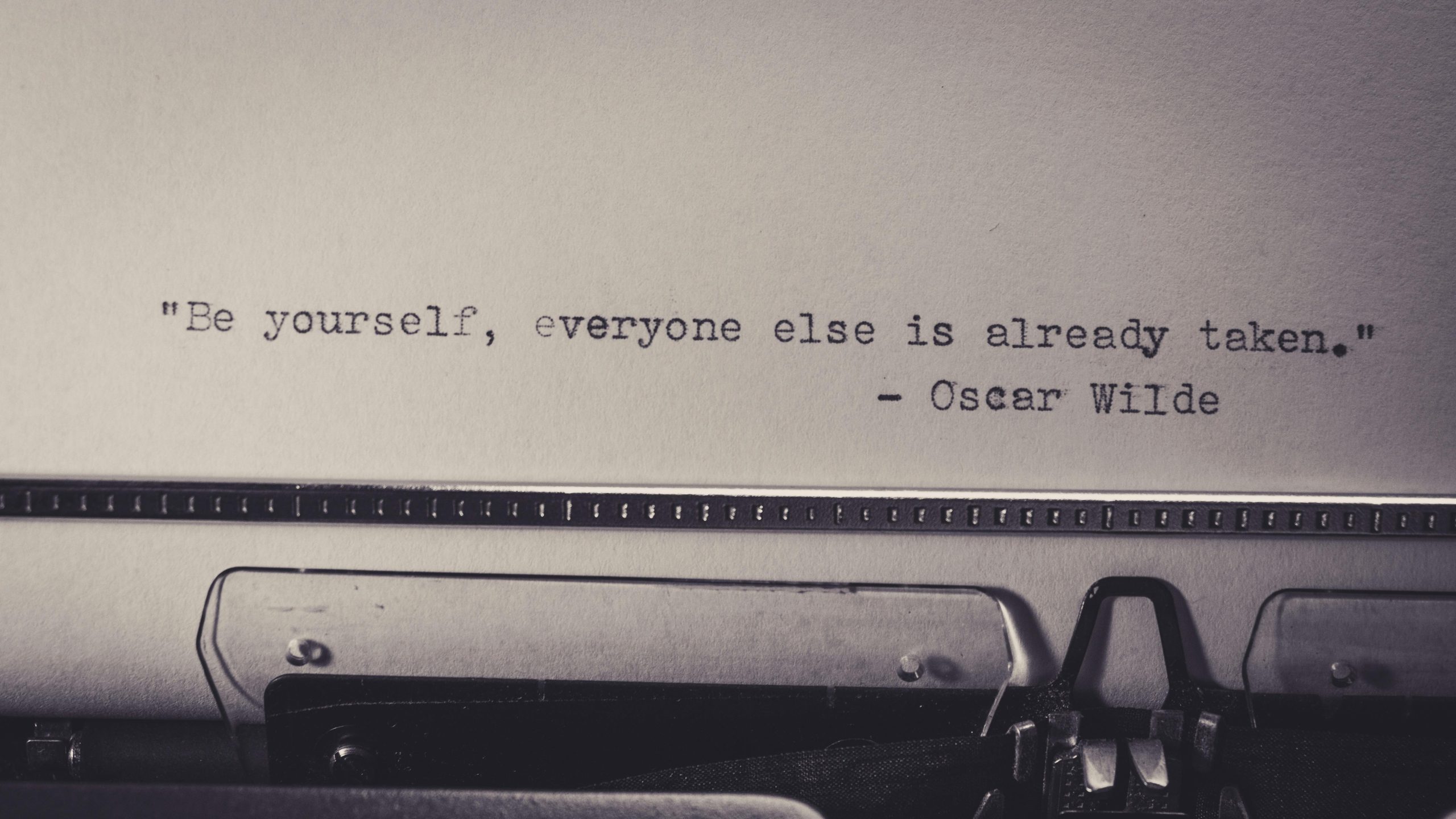
Healthy relationships require separate foundations. Psychologists advise setting boundaries around personal hobbies, friendships, and career goals. Like Annie who pursues singing lessons despite Alvy’s mockery, maintaining individual pursuits enriches partnerships. Ask yourself: What activities make me feel alive independently? How might sharing those passions strengthen bonds instead of diluting them?
These cinematic case studies remind us that love languages evolve across decades, yet core principles endure. Whether resolving conflicts through wit or preserving individuality amid closeness, films provide blueprints for cultivating lasting connections. Now I’d love to hear from you: Which classic movie scene resonated most with your experiences? How have its lessons shaped your approach to relationships? Share your thoughts below!