
In the tapestry of modern relationships, where digital distractions often fray the threads of connection, finding unconventional pathways to deepen emotional bonds becomes both an art and a science. For couples seeking to transcend routine interactions, embracing creative collaboration offers a profound language of intimacy,one that speaks through pigment rather than words, movement instead of monologue. This exploration delves into how shared artistic endeavors, from spontaneous sketchbook sessions to curated museum dialogues, can transform passive companionship into active communion.
The Palette of Presence: Mindfulness in Creative Partnership
Consider Maya and Leo, whose Saturday morning ritual involves setting up easels side-by-side in their sunlit kitchen. Their subject matter varies weekly,sometimes bowls of fruit, other times each other’s portraits,but the process remains sacred. ‘When we paint together, there’s no performance pressure,’ Maya explains. ‘It’s just us, breathing rhythmically, mixing colors like we mix our lives.’ Research supports this observation: studies show that synchronised creative activities trigger mirror neurons, fostering empathy by simulating another’s perspective. Unlike competitive sports or collaborative work projects, art invites non-judgmental observation,each brushstroke becomes a silent question (‘Do you see what I see?’) answered through layered application.

This mindful coexistence extends beyond visual arts. Take Elena and Rajiv, who discovered tango during Argentina’s economic crisis. ‘Learning those intricate steps felt like solving a puzzle while holding hands,’ Rajiv recalls. ‘Every misstep taught us patience; every successful turn rewarded trust.’ Their experience echoes findings in dance therapy literature: physical coordination demands heightened awareness of a partner’s weight shifts, breath patterns, and unspoken intentions,skills directly transferable to navigating conflict or celebrating joy.
Museums as Mirrors: Contemplating Vulnerability Amid Masterpieces
Galleries become fertile ground for cultivating emotional transparency when approached with intentionality. Picture Liam and Nora standing before Caravaggio’s The Calling of Saint Matthew . Where others see dramatic chiaroscuro, they engage in playful debate: ‘Is he pointing toward salvation or condemnation?’ Their conversation spirals into personal revelations,Liam admitting fears about career stagnation, Nora sharing guilt over past mistakes. By projecting inner turmoil onto external narratives, they safely expose raw facets of themselves.
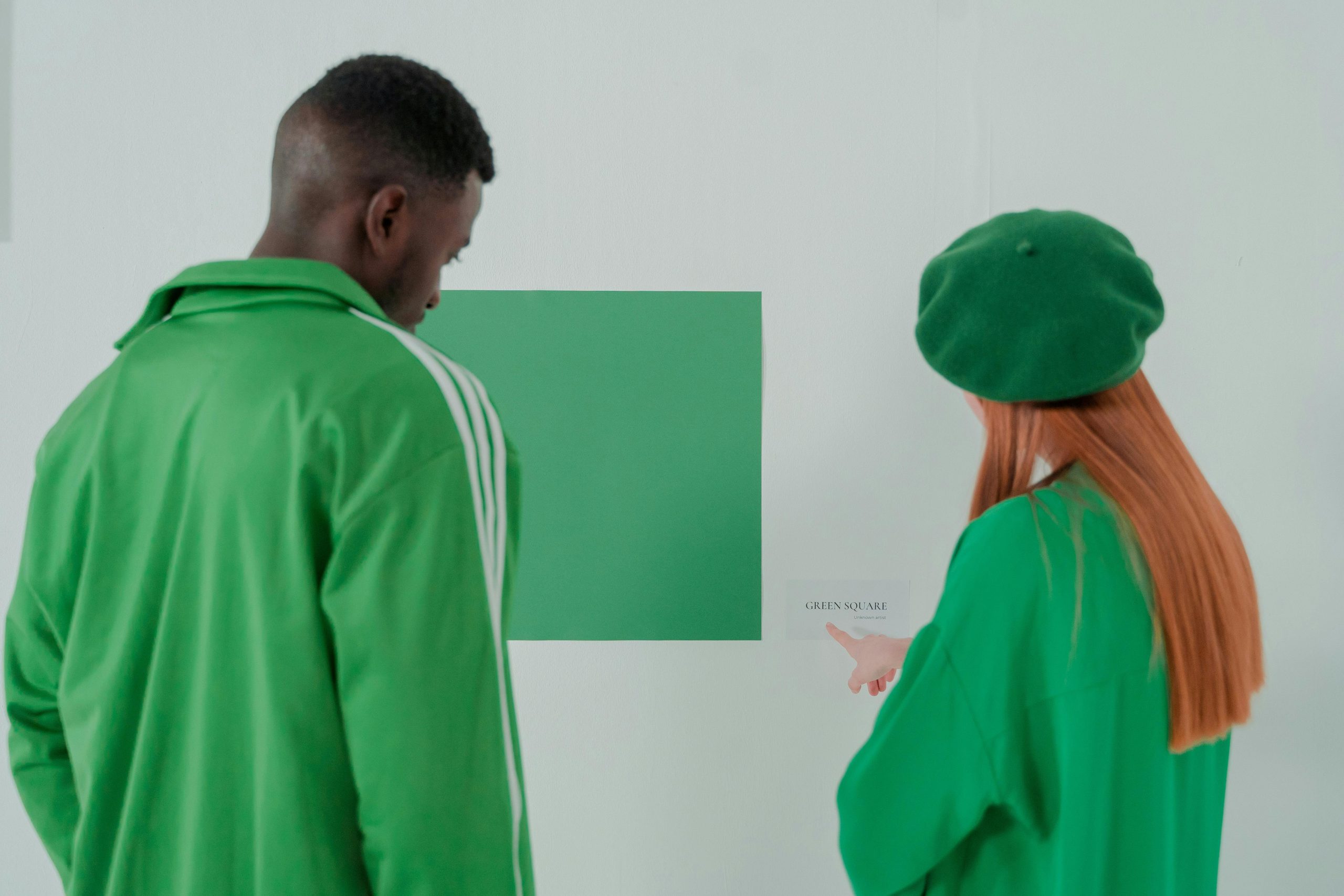
Curators increasingly design exhibitions with couple engagement in mind. The Tate Modern’s ‘Reframing the Gaze’ series encourages partners to swap identities while viewing portraits: one describes how they’d interpret the subject’s story, then switch roles. Such exercises dissolve defensive barriers, revealing assumptions buried beneath surface impressions. As psychotherapist Esther Perel notes, ‘Beauty provokes longing; discussing it creates shared yearning.’
‘We didn’t realize our arguments stemmed from different interpretations of “responsibility” until we analyzed Renaissance frescoes depicting civic duty versus divine calling.’ , Carlos & Mei Lin, married 12 years
Studio Date Nights: Turning Routine into Ritual
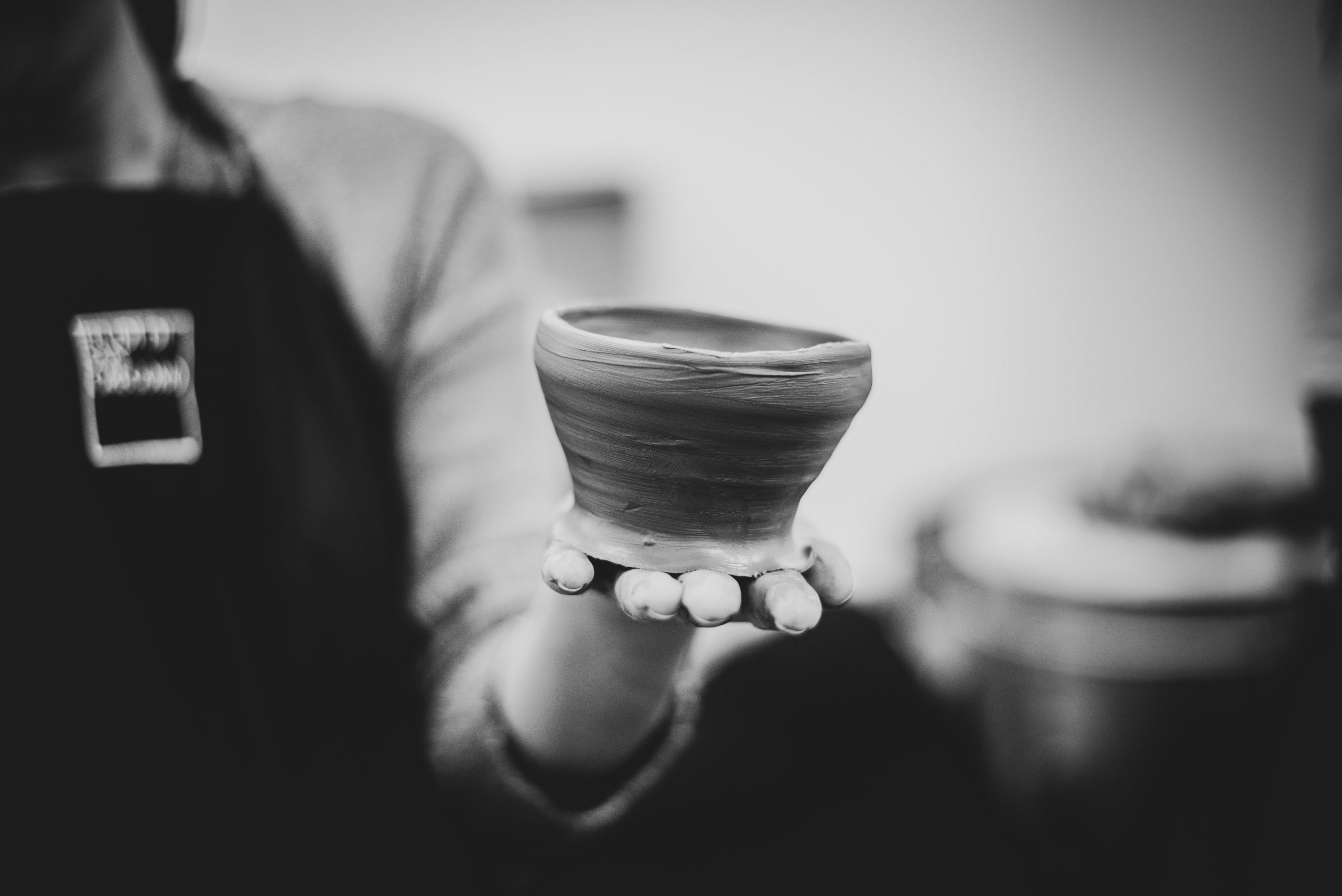
Transforming domestic spaces into studios demystifies creativity’s mystique. Friends Beatrice and Finn converted their garage into a pottery barn, installing a kiln amid stacked clay coils. ‘First attempts were messy,centering lumps of earth felt impossible!’ laughs Beatrice. Yet perseverance yielded breakthroughs: hollow vessels symbolizing protection, twisted forms embodying tension release. Each creation chronicles emotional evolution, turning functional objects into sentimental archives.
Even casual doodling carries significance. Software developer Takashi initiates weekly ‘stick figure comic strips’ with his wife Yuki, illustrating humorous takes on parenthood chaos. ‘Our stick figures evolve alongside our daughter’s milestones,’ he says. ‘One frame shows us drowning in laundry; next week, we’re superheroes fixing a broken sink.’ These simple lines reinforce resilience through laughter, proving complexity need not accompany profundity.
Cross-Cultural Harmony: Global Traditions Localized
Exploring international art forms adds cultural texture to partnership building. When Priya moved from Mumbai to Toronto, she introduced fiancé Declan to rangoli drawing,initially met with clumsy rice flour patterns, now refined annual Diwali traditions adorning their threshold. Similarly, Declan shared Irish sean-nós singing sessions, teaching Priya guttural vibrations contrasting her classical Indian scales. Their home became a melting pot where heritage converged organically.
Architectural walks offer another lens. Visiting Frank Lloyd Wright’s Fallingwater, architectural historian Jonah pointed out how horizontal lines hugging landscape mirrored his own desire for stability after loss. Partner Clara listened intently, later surprising him with blueprint sketches incorporating similar motifs into their renovation plans. Space itself became testament to attunement.
As autumn approaches, consider proposing a ‘creative covenant’: commit monthly to novel joint activities,life drawing classes, pottery workshops, poetry slams,each followed by journal entries capturing sensations rather than critiques. Track subtle shifts: do fingers entwine longer post-impressionist visits? Does laughter ring truer after improv theatre? Share your discoveries below,how might art rewrite your love story’s next chapter?